Pitching my WIP at the Indiana Writing Workshop

After sharing the exciting news at the beginning of the year that I received a Work In Progress Micro-Support Grant from the Indiana Arts Commission, I’m excited to share an update from the next step in that journey.

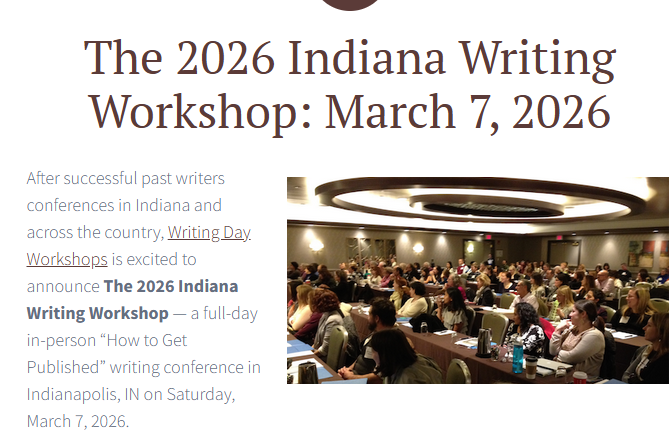
On March 7th, I attended the Indiana Writing Workshop in Indianapolis, an experience made possible through support from the grant. The conference brought together writers from across the region for a day of craft sessions, publishing guidance, and opportunities to connect directly with literary agents.
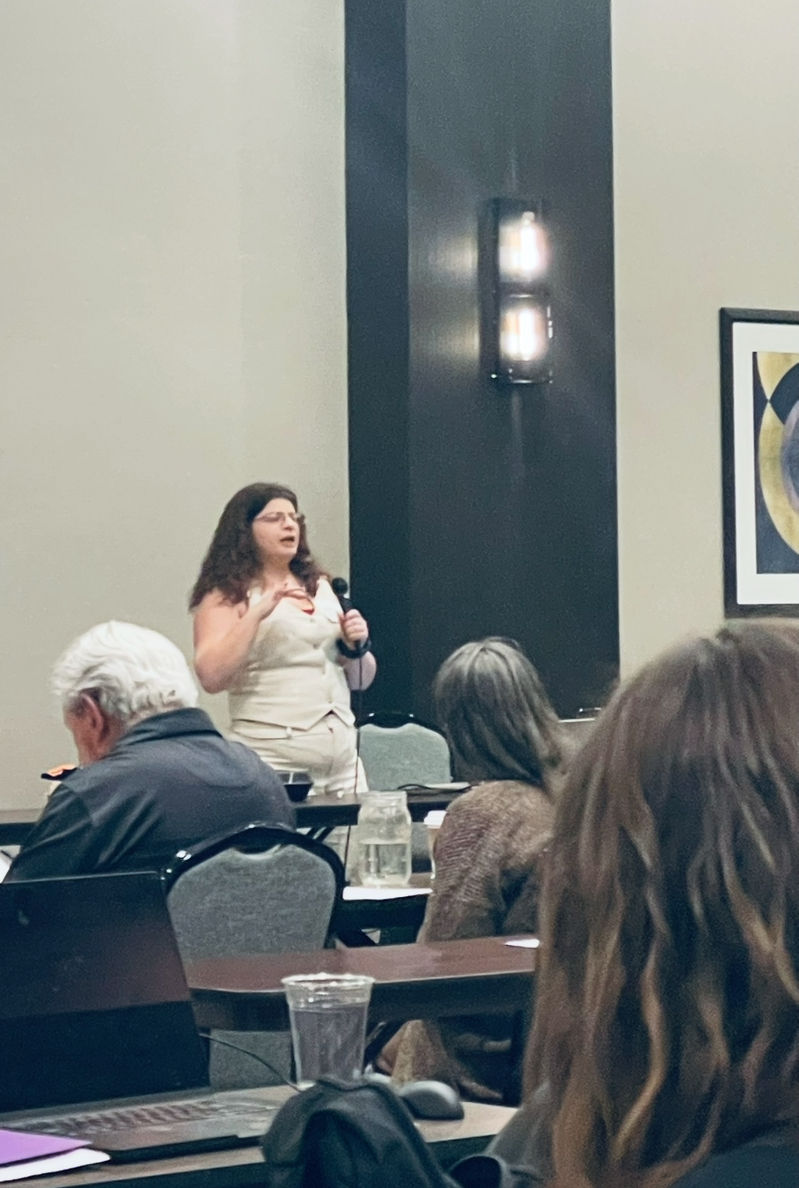
One of the most valuable parts of the workshop was the opportunity to pitch my speculative novel to three literary agents in one-on-one sessions. Pitching a novel can feel a little like speed dating for writers, you have only a few minutes to introduce your story, explain its themes and market potential, and hopefully spark enough interest for an agent to want to read more.
I’m thrilled to share that all three agents requested partials of my manuscript.

For writers pursuing traditional publication, a “partial request” is an exciting and encouraging step in the querying process. After hearing a pitch or reading a query letter, an agent may ask to see a portion of the manuscript, often the first 10 to 50 pages, though requirements vary by agent. This allows them to evaluate the writing style, pacing, characters, and overall potential of the project before deciding whether to request the full manuscript.
In traditional publishing, most authors begin by querying literary agents. This typically includes sending a query letter, synopsis, and sample pages to agents who represent the writer’s genre. If an agent is interested, they may request a partial or full manuscript. From there, an agent may choose to offer representation and eventually submit the work to publishing houses.

The process can take months, or even years, and often involves many rounds of revision, research, and resilience. Receiving partial requests doesn’t guarantee representation, but it is a meaningful sign that the project is connecting with industry professionals and moving in the right direction.
The feedback I received during the conference was incredibly valuable and reaffirmed my commitment to this story. Set in the Indiana Dunes across multiple generations of Hoosier women, the novel explores memory, ecology, inheritance, and the enduring relationship between people and place. Having the chance to discuss those themes directly with agents was both energizing and affirming.

Beyond the pitching sessions, the conference also offered insight into the evolving publishing landscape and reminded me how important literary community can be. Writing is often solitary work, so gathering with other writers at different stages of their journeys created space for encouragement, learning, and momentum.

I’m deeply grateful to the Indiana Arts Commission, the Chesterton Arts Center, and the organizers of the Indiana Writing Workshop for supporting emerging and working writers across the state. Opportunities like these make a real difference, not only by helping artists develop their craft, but by creating pathways toward publication and broader readership.

For now, I’m continuing revisions, preparing requested materials, and moving forward one step at a time. It feels exciting to know this Indiana Dunes story is beginning to find its audience.


Comments